Skip to content
  • Free written quotes
  • Local crews
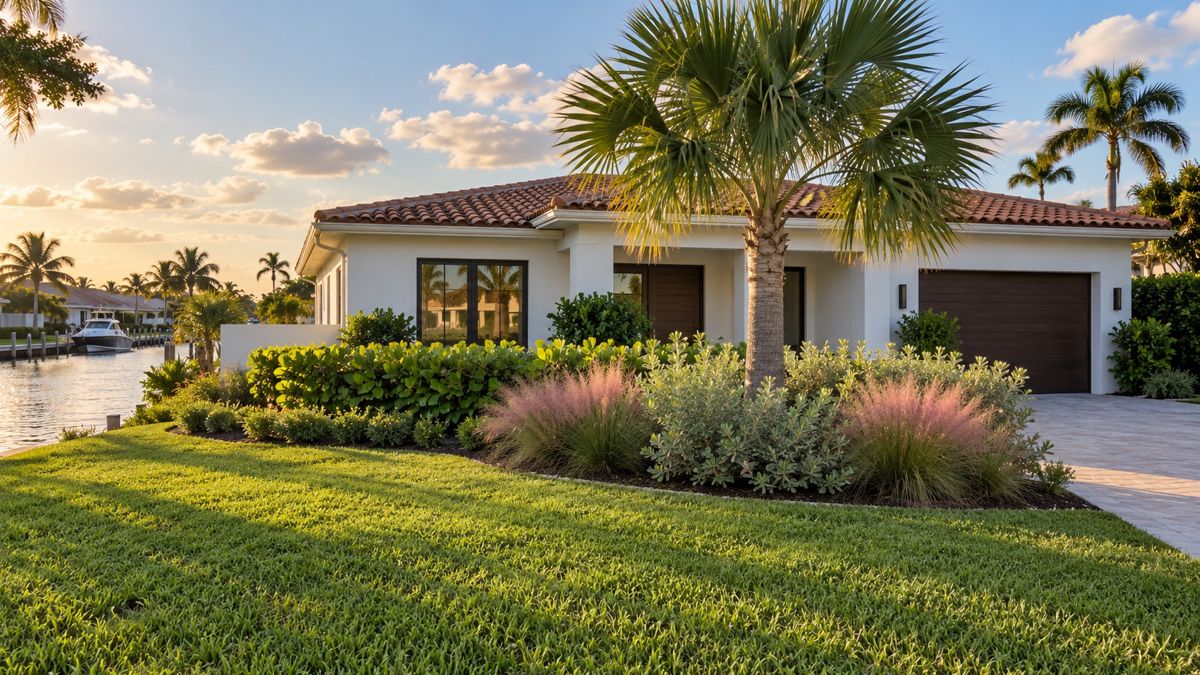
Landscaped stucco home with palms and grass on a Fort Lauderdale canal street

Larger suburban lots and canal-side yards

Landscaping in Plantation, FL

Sod, irrigation, lakefront drainage, pavers and design for larger Plantation lots. Request a quote and we will confirm availability for your address.

  • Plants and materials chosen for salt air and heat
  • Drainage planned for a high water table
  • Scope and materials written down before work starts

Bigger lots, mature trees and long-running lawns

Plantation is a suburban city on the western side of Broward County, with many ranch-style homes on larger lots than are typical closer to the coast. Tree canopy is generous, canals and lakes wind through neighborhoods, and many streets have a settled, established feel.

Larger yards bring their own work. More lawn means more irrigation zones, more places for pests and disease to start, and more edges to maintain. Mature trees add welcome shade but also drop debris, and their roots can disturb paving and sprinkler lines. The strongest plans are those that reduce maintenance rather than increase it.

University Drive, Broward Boulevard and lakes behind the house

Plantation is crossed by routes such as University Drive, Broward Boulevard and the Sawgrass Expressway, and the city is well connected to the rest of the county. Away from the coast, salt spray is less of a worry than in eastern neighborhoods, but heat, humidity and heavy rain are still strong forces.

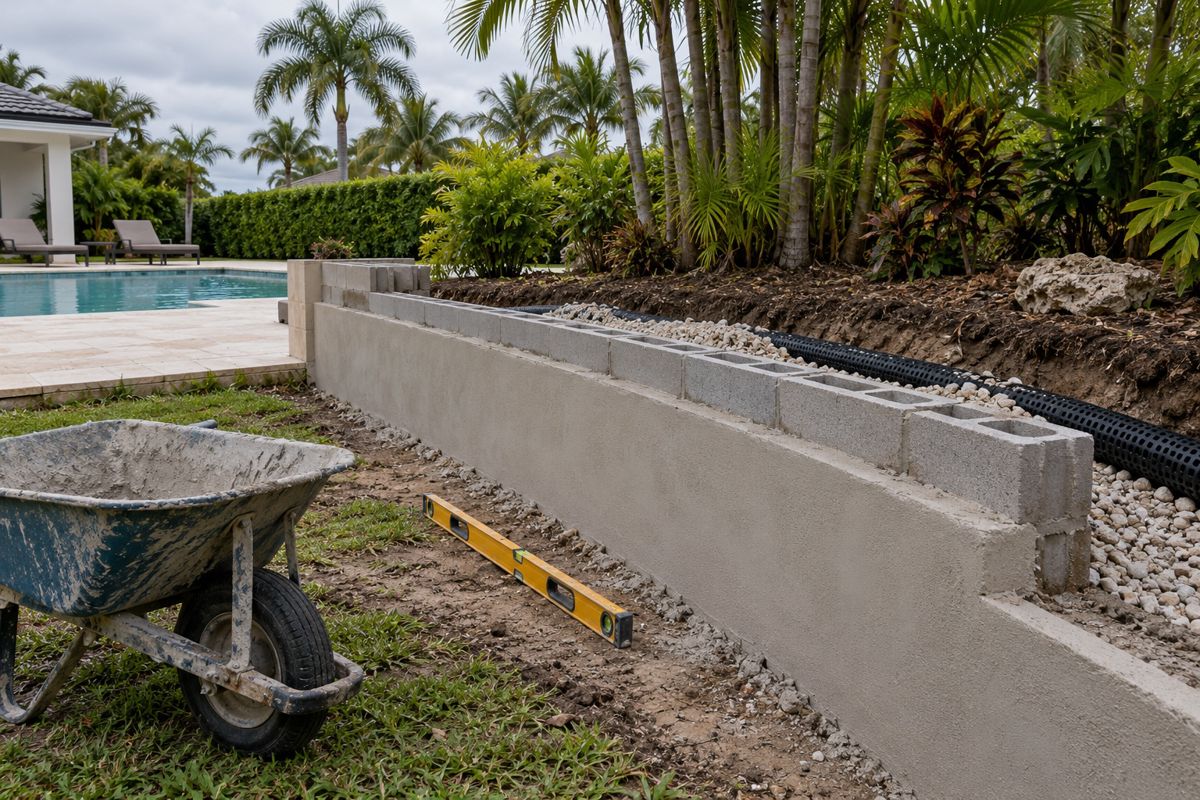
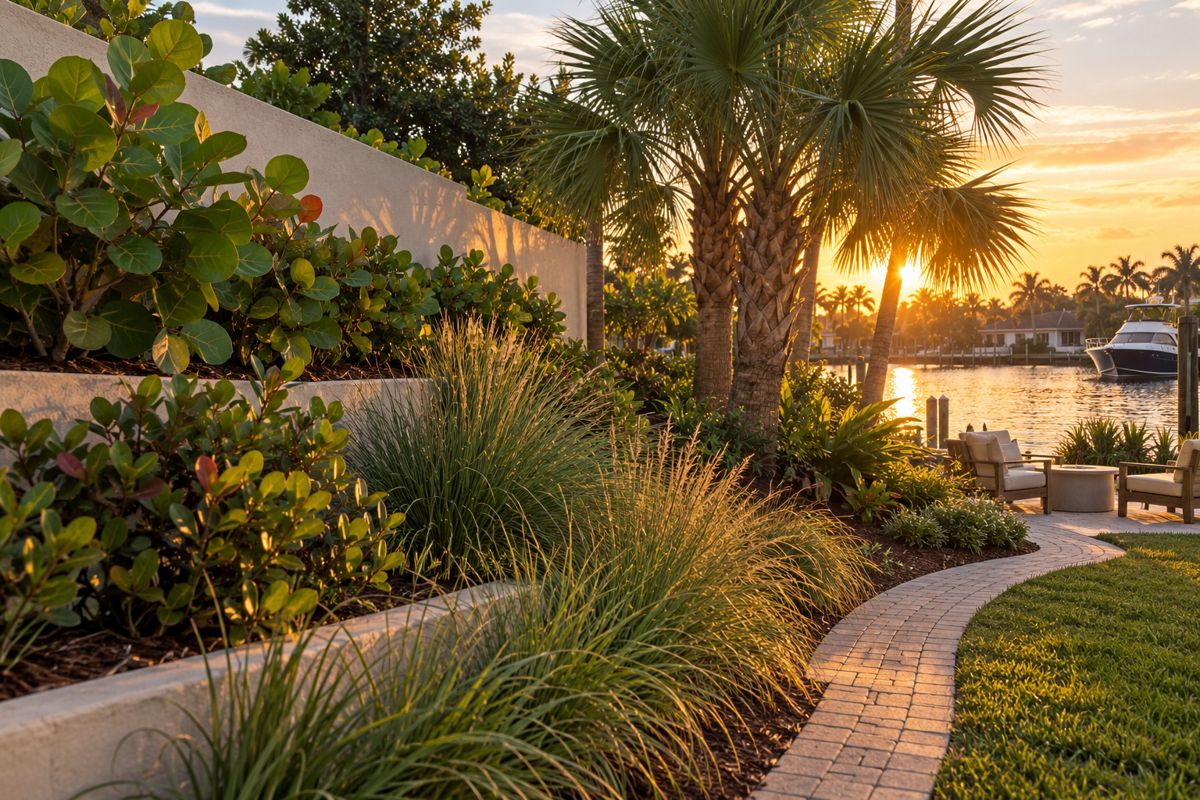
Many properties back onto a canal or lake. Banks can erode in heavy rain, and runoff carrying lawn products into water is a regulated concern. Sloping edges, swales and buffers of plants are often used to hold the soil and filter water. The land is flat, so those gentle slopes need to be well planned.
What we offer to Plantation properties

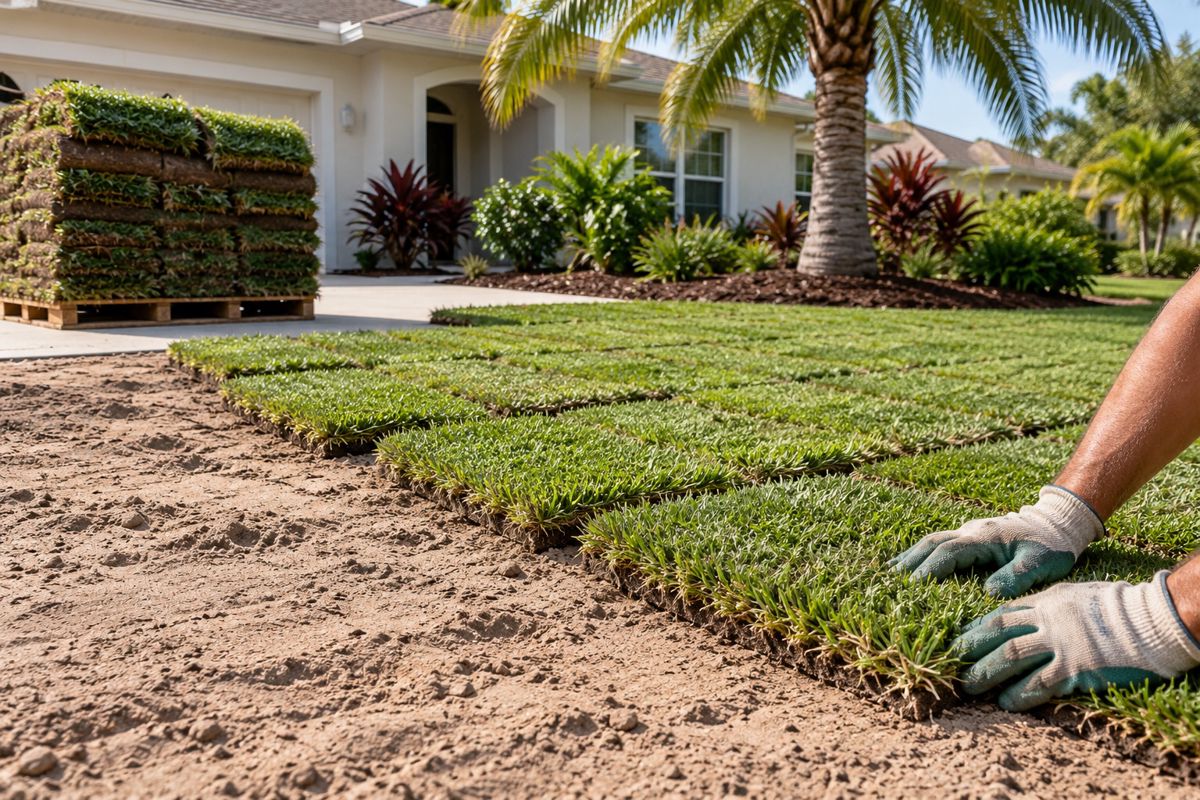
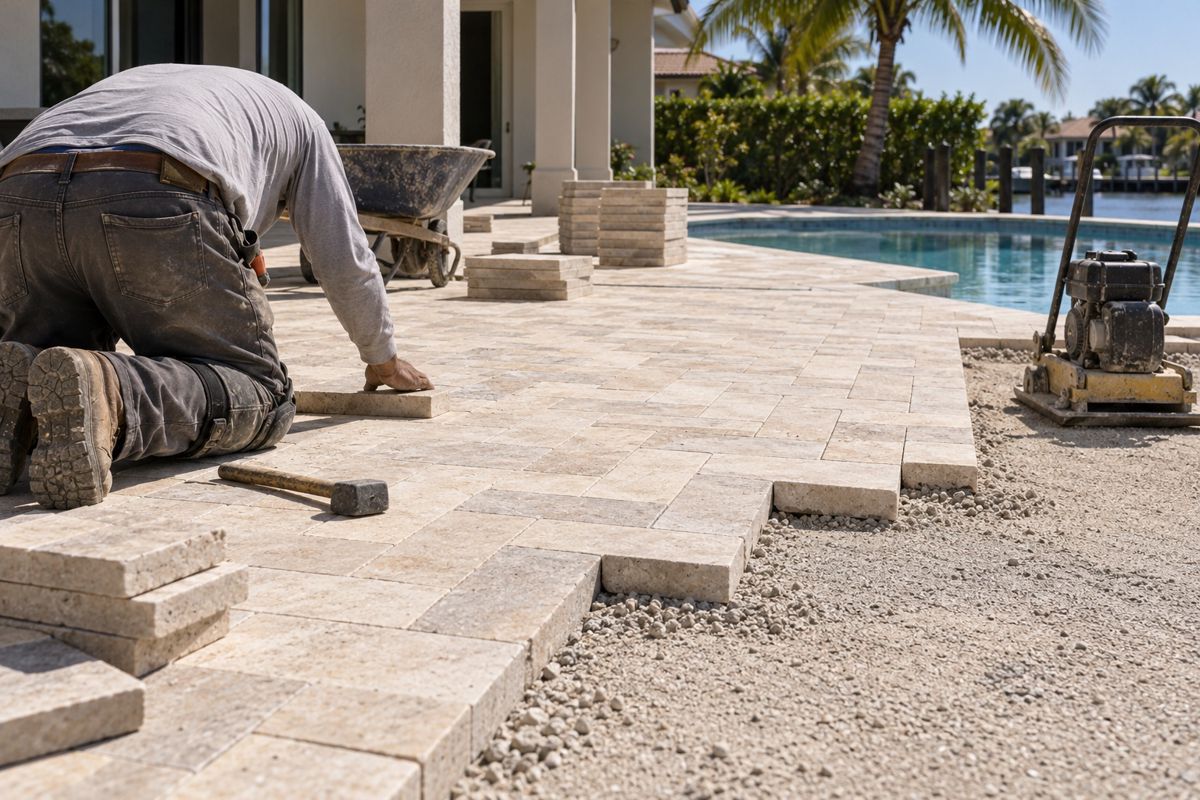
Plantation homes tend to use all five services, with extra emphasis on lawns and water control.

Describe the yard as a whole and we can suggest the order that makes most sense. Breaking the plan into stages lets you spread the work and see results as you go, and each stage can be quoted on its own.

Large yards multiply every decision. A few factors tend to make the biggest difference:

  • Lawn area. More turf means more sod, more removal and often multiple irrigation zones.
  • Sun and shade. Different parts of a large yard need different grasses or plants.
  • Water source. City water, a well or a lake pump each affect system design and staining risk.
  • Slope to the water. Banks that drop to a canal need stabilizing before sod or planting.

We lay out these items in the quote, and we can phase a big project to suit your timing.

Homeowners associations, lake rules and preparation

Many Plantation neighborhoods have homeowners associations with rules on lawns, fences, trees and visible changes. Ask for approval in writing before work begins. Properties on lakes and canals may also have restrictions near the water's edge, including limits on removing vegetation or placing fill.

Florida requires rain sensors on automatic sprinkler systems, and local water restrictions apply. Check them for your address. Call 811 before digging, particularly if you have underground lines to outbuildings or lighting. We find it helps to mark sprinkler heads and any pet fencing before work, and to tell us about gate codes.

How a Plantation quote request works

Call (954) 555-0123 or use the form. We serve Plantation, and your request is how we confirm availability.

  1. Tell us the address, roughly how large the lawn is and whether the lot backs onto water.
  2. Name your main concern: lawn health, irrigation, drainage, a patio or a full redesign.
  3. Share photos of problem areas and any HOA guidelines you have.
  4. We discuss the job and arrange a site visit.
  5. A written quote follows, with the work divided into stages if that helps.

Requesting one is free. Once you approve the quote, we agree start dates that suit your schedule and any association requirements.

Landscaping services in Plantation

Get a quote in Plantation

Tell us what you need and we call you back.

No obligation.

Step 1 of 3

What do you need?

Questions about Plantation

How do I cut the maintenance on a big Plantation yard?

Reduce turf in awkward spots, replace thirsty beds with tougher plants and use efficient irrigation. Mulch beds, edge cleanly and group plants with similar needs. A smaller, healthier lawn is easier to keep than a large, struggling one. We can suggest changes that make the biggest difference to your routine. Fewer, larger beds are easier to maintain than many small ones.

What do I do about erosion on a canal bank?

Start by checking whether the cause is wave action, runoff or a lack of plant cover. Solutions include regrading, deep-rooted plants, rock or a low wall. Some banks have rules about what you may change. We look at the slope and water level, then explain the options and the approvals to check.

Should I use one irrigation zone or several?

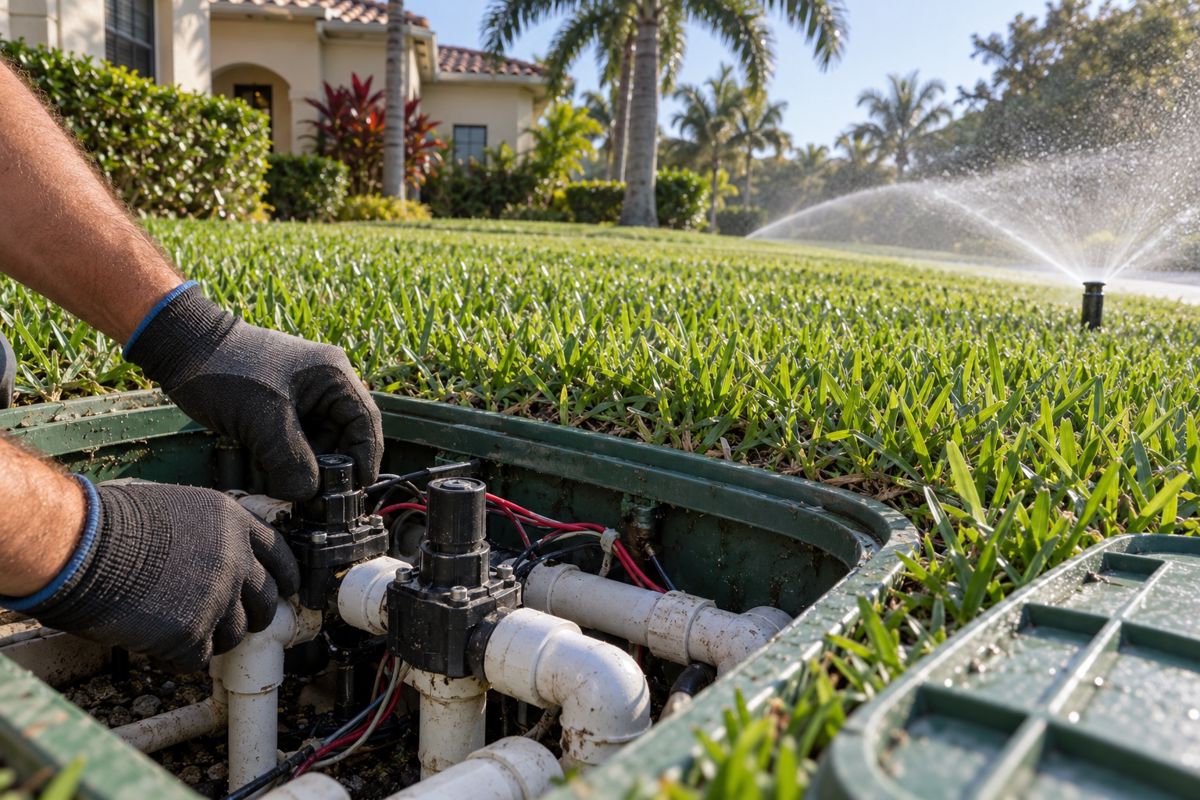
Several. Sun, shade, soil and plant types need different amounts of water, and one zone wastes water and stresses plants. Zones also let you follow watering restrictions more easily. We design the system around the yard, use matched heads and show you how to adjust the schedule through the seasons. Smart controllers and rain sensors then stop the system running when it is not needed.

Does my HOA need to approve a new patio?

Often it does. Associations usually want to see size, materials and location before approving. Rules differ, so ask for the guidelines and submit your plan in writing. We can provide a scope description and drawings to attach. Do not start before you have the approval in hand. Ask your HOA for the drawing format it expects, so the paperwork is ready first time.

Can you replace sod without removing all the old grass?

It depends. If the old turf is mostly weeds or a different grass, removal gives a cleaner start. Laying new sod over living grass seldom works well. Removing the old layer and preparing the soil improves rooting. We tell you what the lawn needs after seeing it. Fresh topsoil is sometimes needed to correct low spots before the first roll goes down.